Table of Contents
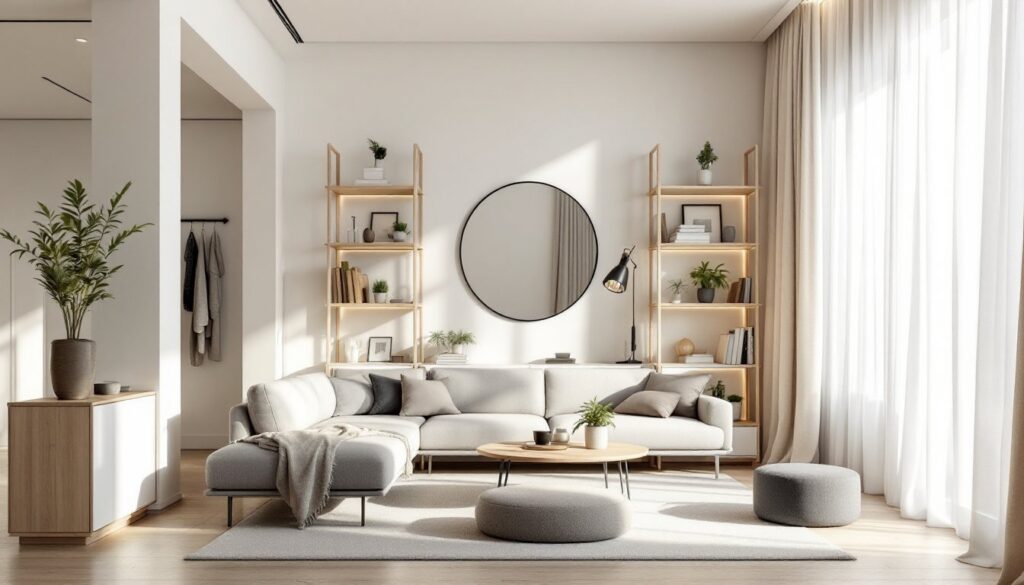
ToggleLiving small doesn’t mean sacrificing comfort or style. Tiny home living room <a href="https://ecologylabo.com/best-home-renovation-ideas/”>ideas have evolved dramatically as more homeowners embrace compact spaces, whether it’s a studio apartment, a downsized condo, or an actual tiny house. The key to making a small living room feel spacious and welcoming lies in thoughtful furniture choices, clever storage, and design strategies that work with your square footage instead of against it. This guide walks you through seven practical approaches that’ll help you maximize every inch while keeping your living room functional and visually appealing.
Key Takeaways
- Multi-purpose furniture like sofas with pull-out beds, storage ottomans, and nesting tables maximize functionality without consuming additional floor space in tiny home living rooms.
- Smart vertical storage solutions—including wall-mounted shelves, floor-to-ceiling units, and staggered floating displays—use ceiling height to make compact spaces feel larger and less cluttered.
- Layered lighting (ambient, task, and accent) combined with light, neutral wall colors and mirrors creates an illusion of spaciousness and prevents the cramped feeling that dark, shadowy rooms create.
- Visible clutter reduces perceived room size by up to 50%, so building in hidden storage solutions like storage benches, closed cabinets, and labeled bins keeps living rooms mentally and physically open.
- Vertical design strategies—tall narrow furniture, stacked artwork, and curtains hung high—naturally draw the eye upward and make ceilings feel higher in tiny home living rooms.
- Strategic window treatments using lightweight fabrics and high-hung curtain rods amplify natural light while visually expanding room dimensions without heavy visual weight.
Multi-Purpose Furniture: Your Secret Weapon for Small Living Rooms
The smartest move in a tiny living room is ditching single-purpose furniture. A sofa that becomes a bed, a coffee table with hidden storage, or an ottoman that doubles as seating and footrest, these pieces work overtime so you don’t waste square footage.
Look for a sectional with a pull-out bed if you host guests: brands like Article and West Elm make compact versions sized specifically for small rooms. A storage bench at the foot of a sofa serves triple duty: extra seating, coffee table surface, and a place to stash blankets or pillows. If your living room pulls double duty as a workspace, consider a nesting table set that tucks under a larger console, they separate for a work surface and tuck away when you’re entertaining.
Storage ottomans are your friend. They provide a footrest, additional seating, and an interior cavity for remotes, magazines, or seasonal items. Measure your room’s actual footprint before buying: a 36-inch-wide sectional eats up more floor space than you’d expect. Recently, IKEA Hackers showcased modified cube storage units transformed into hidden seating, a budget-friendly hack that shows what’s possible with a little imagination. Don’t overlap or clutter the furniture arrangement: even in a tiny room, breathing room around your seating makes the space feel less cramped.
Smart Storage Solutions to Keep Clutter at Bay
In a small living room, visible clutter shrinks the perceived size by 50%. That’s not hyperbole, your brain registers visual busyness as spatial crowding. Building in storage means fewer items sitting on surfaces, which opens up the room mentally and physically.
Wall-Mounted Shelving and Floating Displays
Wall-mounted shelves cost less than floor furniture and use vertical real estate you’d otherwise waste. A floating shelf system (typically 8 to 12 inches deep) runs along one wall without eating into floor space. Install shelves at eye level and above, they become part of your décor rather than obvious storage. Use them for books, plants, and carefully curated decor items: avoid cramming every surface. If your walls are drywall over 2×4 studs, shelves rated for 25 to 50 pounds per shelf offer plenty of capacity without requiring special bracing.
Consider a floor-to-ceiling shelving unit in one corner. It maximizes vertical height (most rooms have 8 to 10 feet) while anchoring a single focal point instead of spreading storage around the room. Label boxes inside open shelves to keep contents organized: a single unlabeled bin forces you to rummage, creating mess.
Hidden Storage Ottoman and Bench Options
A storage ottoman with a lift-top hides items completely. Measure your doorways and staircase width before buying: an ottoman that looks perfect online won’t fit if it’s 2 inches wider than your entry. For seating that also stores, a storage bench placed against a wall adds extra seating for guests without requiring a separate accent chair. Upholstered benches feel less bulky than wooden ones and can be tucked under a window if needed.
Don’t overlook vertical wall storage like hanging shelves, pegboards, or wall-mounted cabinets with doors. A closed cabinet hides mess: open shelves require curation. If you have awkward nooks or corners, custom-fitted corner shelving maximizes those otherwise dead zones. Apartment Therapy regularly features small-space storage hacks: scanning their archives shows that layered, zone-based storage (one shelf for books, one for plants, one for displays) reads cleaner than mixed arrangements.
Lighting and Color Tricks to Open Up Your Space
Light and color are free square footage. A dark, shadowy room feels cramped: a bright, well-lit one with light walls feels 30% larger, even if dimensions haven’t changed.
Lighting layers prevent shadows that shrink perceived space. Combine ambient lighting (a ceiling fixture or track lights), task lighting (a reading lamp next to your sofa), and accent lighting (LED strip behind shelves or picture lights) so every corner feels intentional and open. Avoid a single overhead light: it casts shadows and kills the illusion of spaciousness. LED bulbs cost more upfront but run cooler and last longer, critical in a small room where you can’t afford to have cords and fixtures cluttering sightlines.
Color strategy matters more than you’d think. Light, neutral walls (soft white, pale gray, warm beige) reflect light and feel airy. Avoid dark walls unless you love a cozy den aesthetic: they absorb light and shrink the room visually. If you want color, paint one accent wall or use removable wallpaper, easier to update than permanent paint and less overwhelming in a small space. Mirrors opposite a light source bounce light around and create an illusion of depth: a large mirror leans against a wall or hangs above a console to amplify natural light.
Window treatments should be light and minimal. Heavy drapes block light and claim visual weight. Lightweight linen curtains or roller shades let light through while maintaining privacy. Hang curtain rods high and wide (as close to the ceiling and wall edges as possible) to trick the eye into thinking the ceiling is higher and the room is wider. A small living room with a 7-foot ceiling will feel taller with curtains hung at 8-foot height.
Vertical Design Strategies That Make Rooms Feel Bigger
Humans naturally read rooms vertically before horizontally. A tall, vertical arrangement feels more spacious than a squat, horizontal one. Use this to your advantage in tight quarters.
Tall, narrow furniture draws the eye upward. A floor-to-ceiling bookshelf with a vertical grain pattern, a tall plant in a corner, or a wall-mounted TV on an articulating arm all pull the gaze up, making the ceiling feel higher. Avoid squat, wide pieces unless they’re tucked into corners: an oversized sectional sprawling across the room compresses the space. If you need a larger sofa, opt for one with low-profile legs (slim metal or wood feet) so you can see floor space underneath, it grounds the furniture without anchoring it.
Stack and arrange décor vertically. Three small framed prints stacked vertically take up less wall space and draw the eye upward compared to three prints hung horizontally. A tall, narrow console in the entryway feels less intrusive than a wide one: pair it with a mirror above to triple the impact. Floating shelves installed at staggered heights (not in a grid) create visual interest without feeling like a wall of storage. Dwell frequently showcases tiny homes and prefab spaces where vertical storage is essential: their layouts often feature floor-to-ceiling solutions that make postage-stamp-sized rooms feel livable.
Ceiling height is an asset. Don’t ignore it. If you have 9-foot ceilings, you have roughly 23% more vertical space than a standard 8-foot room, use it. Wall-mounted shelves, hanging plants, or curtains that stretch the full height exploit this advantage. A small room with big vertical space feels less cramped if you fill that vertical space intentionally.
Conclusion
Tiny home living rooms thrive on intention. Multi-purpose furniture, layered storage, strategic lighting, and vertical design aren’t just nice extras, they’re the foundation of a livable, comfortable small space. Start with one or two of these approaches, live with the changes for a week, then layer in more. Home Renovation Ideas and Strategies for a Successful Project on sites dedicated to thoughtful design show that the best small-space solutions come from understanding your own habits first. Measure twice, choose pieces that serve dual purposes, and remember: a small, organized room beats a large, chaotic one every time.