Table of Contents
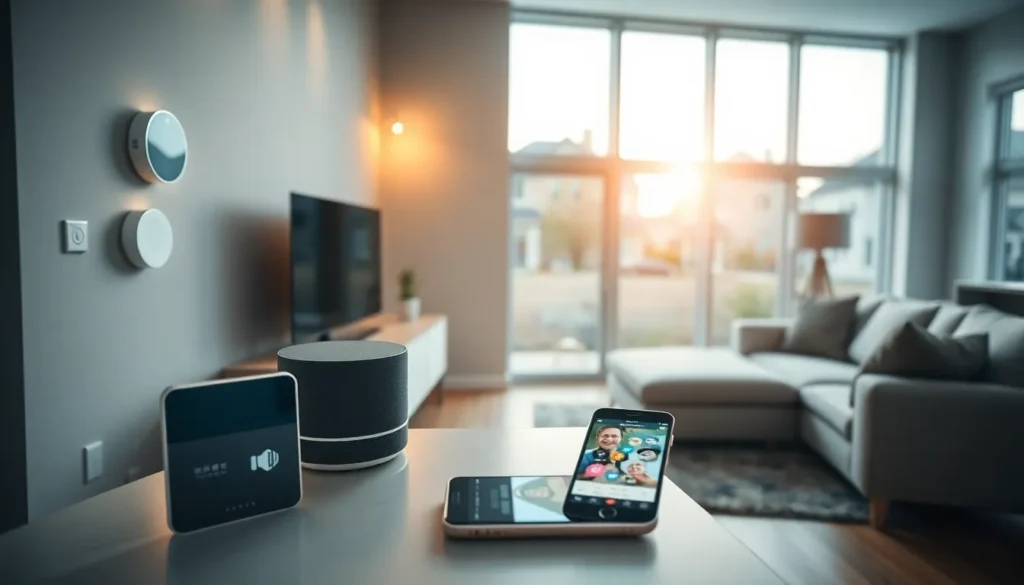
ToggleSmart home devices have changed how people interact with their living spaces. These connected gadgets let homeowners control lighting, security, temperature, and entertainment through voice commands or smartphone apps. The global smart home market continues to grow rapidly, with millions of households adopting this technology each year.
This guide covers everything readers need to know about smart home devices. It explains what they are, explores popular product categories, and highlights key benefits. The article also provides practical advice for choosing the right devices and setting up a connected home ecosystem.
Key Takeaways
- Smart home devices let you control lighting, security, temperature, and appliances remotely through voice commands or smartphone apps.
- Popular smart home categories include smart speakers, thermostats, security cameras, smart lighting, and robot vacuums from brands like Nest, Ring, and Philips Hue.
- Smart thermostats can reduce heating and cooling costs by 10-15% annually by learning your household patterns.
- Always check device compatibility with your existing ecosystem (Amazon, Google, or Apple) before purchasing new smart home devices.
- Start small with a few affordable devices, then gradually expand your smart home setup to avoid confusion and wasted spending.
- Protect your smart home devices by using strong Wi-Fi passwords, enabling two-factor authentication, and keeping firmware updated.
What Are Smart Home Devices
Smart home devices are electronic products that connect to the internet and communicate with each other. They allow users to automate tasks, monitor their homes remotely, and control various functions through a central hub, smartphone app, or voice assistant.
These devices use wireless protocols like Wi-Fi, Bluetooth, Zigbee, or Z-Wave to stay connected. Most smart home devices work with popular voice assistants such as Amazon Alexa, Google Assistant, or Apple HomeKit. This compatibility lets users manage multiple devices through simple voice commands.
The core idea behind smart home devices is convenience. Instead of manually adjusting thermostats, flipping light switches, or checking door locks, homeowners can handle these tasks from anywhere. A person at work can turn off lights left on at home. A traveler can check security cameras from another country. Smart home devices put control in the user’s hands, regardless of location.
Popular Types of Smart Home Devices
The smart home devices market offers products for nearly every room and function. Here are the most common categories:
Smart Speakers and Voice Assistants
Devices like Amazon Echo and Google Nest Hub serve as command centers for connected homes. They respond to voice commands, play music, answer questions, and control other smart home devices throughout the house.
Smart Lighting
Smart bulbs and light switches let users adjust brightness, change colors, and set schedules. Brands like Philips Hue and LIFX offer bulbs that can create different moods or sync with movies and music.
Smart Thermostats
Products such as Nest Learning Thermostat and Ecobee learn household patterns and adjust temperatures automatically. These smart home devices can reduce energy bills by heating or cooling only when needed.
Smart Security Systems
This category includes video doorbells, security cameras, smart locks, and motion sensors. Ring, Arlo, and August make popular products that help homeowners monitor and protect their property.
Smart Plugs and Outlets
These affordable devices turn ordinary appliances into smart home devices. Users can control lamps, fans, or coffee makers through apps or voice commands.
Smart Appliances
Refrigerators, washing machines, ovens, and vacuum cleaners now come with smart features. Robot vacuums from iRobot and Roborock clean floors automatically and return to their charging stations.
Benefits of Using Smart Home Technology
Smart home devices deliver several practical advantages that explain their growing popularity.
Convenience and Time Savings
Automation handles repetitive tasks without user input. Lights turn on at sunset. The thermostat adjusts before residents wake up. The garage door closes automatically when everyone leaves. These small time savings add up quickly.
Energy Efficiency
Smart thermostats and lighting systems reduce energy waste. They operate only when necessary and optimize usage based on occupancy patterns. Studies show smart thermostats can cut heating and cooling costs by 10-15% annually.
Enhanced Security
Smart home devices provide real-time alerts and remote monitoring. Homeowners receive notifications when someone approaches their door or when motion sensors detect unusual activity. Smart locks eliminate worries about lost keys and allow temporary access codes for guests or service workers.
Accessibility
Voice-controlled smart home devices help people with mobility challenges or disabilities. They can adjust lights, lock doors, or control entertainment systems without physical effort.
Peace of Mind
Remote access lets users check on their homes anytime. Parents can see when children arrive home from school. Pet owners can monitor their animals through indoor cameras. This visibility provides comfort and reduces anxiety.
How to Choose the Right Smart Home Devices
Selecting smart home devices requires some planning. These tips help buyers make informed decisions.
Start with a Clear Goal
Identify the problem to solve. Someone concerned about security should prioritize cameras and smart locks. A person focused on energy savings might start with a smart thermostat. Specific goals prevent impulse purchases and buyer’s remorse.
Check Compatibility
Not all smart home devices work together. Before buying, confirm that new products integrate with existing equipment. Sticking with one ecosystem (Amazon, Google, or Apple) simplifies setup and reduces compatibility headaches.
Consider Your Budget
Smart home devices range from $15 smart plugs to $500 thermostats. Start small with a few affordable devices. This approach lets users test the technology before making larger investments.
Read Reviews and Ratings
Customer reviews reveal real-world performance issues that specifications miss. Look for comments about reliability, app quality, and customer support.
Prioritize Security Features
Connected devices can be vulnerable to hackers. Choose smart home devices from reputable brands that offer regular software updates and two-factor authentication. Strong security practices protect personal data and home networks.
Setting Up Your Smart Home Ecosystem
Building a functional smart home ecosystem takes some initial effort, but the process has become increasingly straightforward.
Choose a Central Hub
A smart speaker or dedicated hub acts as the brain of the system. It coordinates communication between devices and provides a unified control interface. Amazon Echo, Google Nest, and Apple HomePod are popular options.
Install Devices Gradually
Adding too many smart home devices at once creates confusion. Start with two or three products. Learn their features and quirks before expanding. This gradual approach builds familiarity and confidence.
Create Automation Routines
Most smart home platforms allow users to create routines or scenes. A “Good Morning” routine might raise the blinds, turn on lights, and start the coffee maker. A “Leaving Home” routine could lock doors, adjust the thermostat, and arm the security system. These automated sequences maximize the value of smart home devices.
Secure Your Network
Strong Wi-Fi security protects smart home devices from unauthorized access. Use a unique, complex router password. Consider creating a separate network for smart devices. Enable automatic firmware updates to patch security vulnerabilities.
Troubleshoot Common Issues
Connectivity problems happen occasionally. Restarting devices and routers solves most issues. Keeping smart home devices within range of the router improves reliability. Adding Wi-Fi extenders or mesh systems helps in larger homes.