Table of Contents
ToggleDesigning a little boy’s bedroom is more than just picking a color and throwing in some furniture. You’re creating a space where he’ll sleep, play, learn, and build memories, a room that needs to work as hard as he does. The challenge is finding the balance between what he loves right now and what will still feel right in three or five years without a complete overhaul. This guide walks you through the practical decisions that transform a plain bedroom into a space that’s both fun and genuinely functional, without requiring a contractor or an unlimited budget.
Key Takeaways
- Choose flexible themes like sports, nature, or builder aesthetics instead of character-based designs so your little boy’s bedroom grows with his changing interests without constant redecorating.
- Maximize storage with wall-mounted shelves, under-bed bins, and labeled systems to keep the room organized and reduce clutter that stresses both children and parents.
- Install durable, easy-to-clean vinyl plank flooring or low-pile area rugs to handle inevitable spills and messes while maintaining a practical space.
- Create distinct zones for sleeping, playing, and learning using furniture placement and low dividers to help your child focus during work time and rest during sleep time.
- Invest in quality solid wood or plywood furniture with proper wall anchoring to ensure safety and durability, avoiding cheap pressboard pieces that become tipping hazards.
- Use calming paint colors like soft blues and greens for sleep areas, opt for two-tone walls to hide wear, and keep wall decor minimal and inspiring rather than overwhelming.
Choose A Theme That Grows With Your Child
The temptation to go full-throttle with a licensed character theme is real, dinosaurs, superheroes, space explorers. But here’s the thing: four-year-old interests change fast, and repainting a room every couple of years gets exhausting and expensive.
Instead, pick a flexible framework that lets his tastes evolve without gutting the walls. A muted base color (soft gray, warm tan, or sage green) paired with accent colors, bright blue, forest green, or rust orange, gives you flexibility. Swap out bedding, posters, and accessories as his interests shift, but the bones of the room stay solid.
Theme ideas that age well: sports and athletics, explorer/nature themes, builder/construction themes, and science/lab aesthetics. These don’t require expensive wall murals or custom furniture. A simple rope-and-wood shelving unit, vintage sports posters, or a globe and binoculars work just as well for a 7-year-old as they do for a 12-year-old, he just gets to decide which posters make the cut.
Maximize Storage With Smart Solutions
Storage is where most bedroom designs fail. A cluttered room stresses everyone out, and if toys don’t have a home, they’ll be all over the floor. This is non-negotiable.
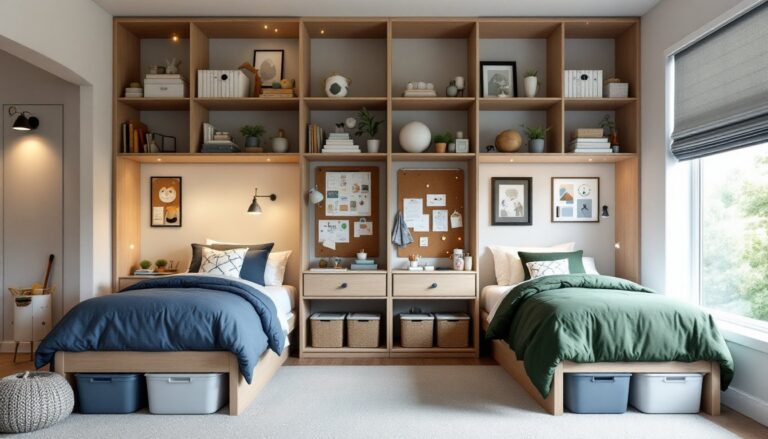
Start with vertical storage: wall-mounted shelves pull double duty as display and organization. Install 2×10 or 2×12 shelves on 3/4-inch brackets rated for at least 25 pounds per bracket, kids fill them heavier than you’d think. Use adjustable brackets so you can change shelf heights as the room evolves. Under-bed storage bins slide out easily and hold seasonal items, books, or toys. A closet rod installed at child height (around 48–54 inches) lets him reach his own clothes, which builds independence and keeps that “where are my shoes” panic at bay.
Bin systems work best when they’re labeled with both words and pictures (especially for younger kids who can’t read yet). Clear bins beat opaque ones, you can see what’s inside without pulling everything out. Keep the number of storage pieces reasonable: too many choices paralyze him at cleanup time.
Consider a low toy chest with a slow-close mechanism to prevent finger pinching. Standard toy chests use a stay rod: spring-loaded hinges are safer and prevent the accidental slam that every parent dreads.
Select Durable, Easy-To-Clean Flooring
Kids spill things. They track in dirt, drop toys, and make messes without thinking twice. Your flooring needs to handle that reality.
Vinyl plank flooring (LVP) is the DIY choice here. It’s waterproof, durable, and installs over almost any subfloor using click-and-lock joints, no glue, no nails. It mimics the look of wood or stone and comes in every color imaginable. Lay it with a vapor barrier or underlayment rated for moisture, and cleanup is literally a damp mop.
Laminate looks similar but isn’t moisture-resistant: spills pooling on the surface can damage it, so skip it in a kid’s room where accidents happen.
Carpet feels cozy but holds onto dust, stains, and allergens. If the room has hardwood and you want softness, lay down a low-pile area rug (easier to clean and less trap debris than high-pile) over a non-slip pad. Avoid foam-backed rugs: they’re slippery on smooth floors.
Matting or interlocking foam tiles work great for a play zone within the room, safe for falls during wrestling matches or building-block sessions. Cost and durability vary widely, so test samples against your actual lifestyle before committing.
Create Zones For Play, Sleep, And Learning
A single-purpose bedroom isn’t practical for kids. They need a place to sleep hard, play freely, and focus when it’s assignments time.
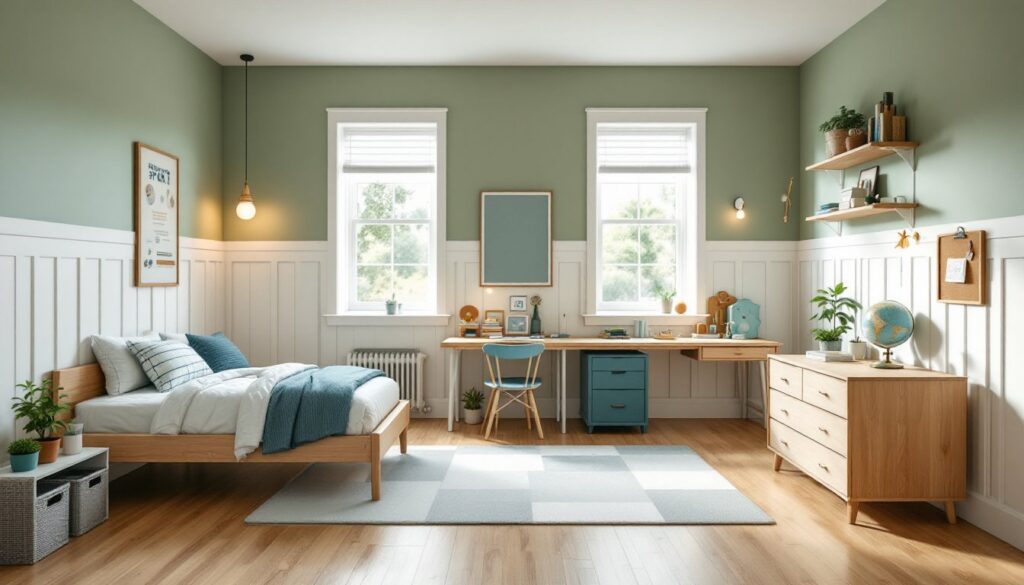
Divide the room into clear zones using furniture placement or low dividers. The sleep zone centers on the bed with minimal traffic, don’t squeeze a dresser between the foot and the wall where toys will migrate. The play zone should have the most floor space with easy access to toys and an area rug that defines the boundary. Keep learning zones (desk or craft table) near a window if possible for natural light, and far from the bed to mentally separate “sleep time” from “work time.”
A corner desk tucked into an L-shaped room setup uses dead space efficiently. Install floating shelves above it for school supplies and reference books within arm’s reach. Position the desk so he’s not staring directly at his bed while trying to focus, separation matters psychologically.
Use furniture as zone dividers rather than walls. A low 4-foot bookshelf between play and sleep areas creates visual separation without making the room feel cramped. This layout also improves air circulation, crucial for mold and mustiness prevention in smaller spaces.
Pick Paint Colors And Wall Decor That Inspire
Paint is the quickest, cheapest way to set mood and can actually be a DIY win even for beginners. Priming before painting isn’t optional, it blocks stains and makes finish coats perform better, especially if you’re covering something dark or glossy.
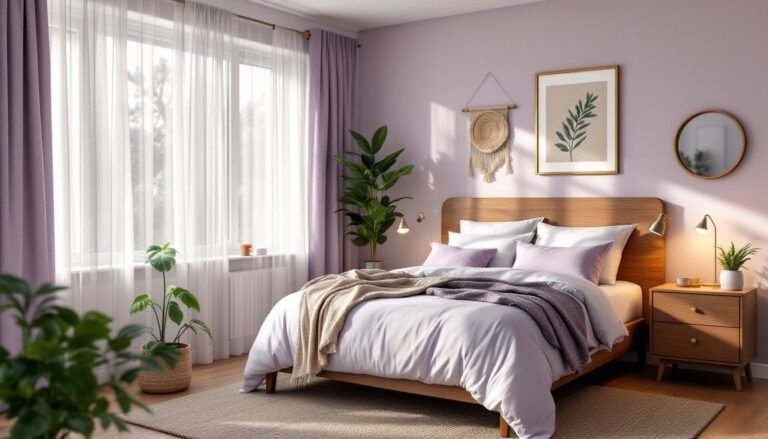
Color psychology matters here without getting weird about it. Blues and greens are calming and work well for sleep areas. Warm tones (ochre, rust, warm gray) feel energizing for play zones. Avoid pure white in kids’ rooms, it shows every fingerprint and feels sterile. A soft gray-green, warm cream, or pale blue holds up better and feels less institutional.
Two-tone walls (painted wainscoting effect) add visual interest without overwhelming. Paint the lower 36 inches in one color and the upper walls in a lighter shade. This trick from projects featured on Young House Love and similar design sites makes rooms feel larger and takes a beating better, the lower walls handle scuffs and toy impacts more gracefully.
Wall decor should inspire without being overwhelming. A few framed prints, a chalkboard wall (painted with chalkboard paint on a primed section), or a cork board for rotating artwork keeps things fresh. Avoid wallpaper in kids’ rooms unless you’re committed to replacing it in 3–5 years: peel-and-stick options exist but coverage and durability vary. Peel-and-stick decals are tempting but often leave residue: test in a closet first.
String lights, a basic pendant, or a ceiling fan with light improves both functionality and atmosphere. Wall sconces flanking the bed provide reading light without a bulky nightstand lamp.
Invest In Quality Furniture For Comfort And Safety
Furniture in a kid’s room takes abuse and needs to be solid. That $40 pressboard dresser will wobble in two years and become a tipping hazard, a real concern since children can be killed when furniture tips over, especially if they’re climbing on drawers.
Look for solid wood or quality plywood construction, not particleboard. A twin or full bed frame with a sturdy headboard costs more upfront but won’t sag or creak after a year of jumping and rolling around. Metal frames are durable but cold: wood is cozier. Ensure the mattress is firm, memory foam is comfortable for adults but can be too soft for growing kids, and it can trap heat. A medium-firmness foam or innerspring mattress supports proper spine alignment during those long growth spurt years.
Anchor dressers and tall shelves to wall studs with L-brackets or safety straps rated for the furniture’s weight. This isn’t optional if you have a climber. Secure them to the stud (the wooden frame behind drywall, typically 1.5 inches thick), not just to the drywall itself, drywall anchors alone won’t hold.
Choose a desk chair with a proper backrest and adjustable height so it grows with him. Cheap rolling chairs often have wobbly bases and poor lumbar support. A quality option avoids posture problems and lasts through multiple kids if needed.
Room color ideas from sources like Making Manzanita and Addicted 2 Decorating often showcase furniture-forward design where a solid piece (like a quality bed or dresser) becomes the anchor that ties the whole room together. Invest there first.
Conclusion
A functional bedroom for a little boy doesn’t require a designer or a massive budget. It needs thoughtful choices about storage, durable materials, flexibility for growth, and safety. Start with the bones, flooring, paint, and quality furniture, then layer in his personality with decor and accessories. That way, when his interests shift from dinosaurs to robots to soccer, the room evolves without exhaustion. Build it right the first time, and it’ll serve him well for years.