Table of Contents
ToggleSmart home rentals aren’t a luxury niche anymore, they’re becoming standard in competitive rental markets. Property owners installing smart locks, thermostats, and security cameras attract quality tenants faster, command higher rents, and reduce vacancy periods. Tenants, meanwhile, expect basic automation features that simplify daily life and cut utility costs. Whether you’re a landlord looking to modernize or a renter curious about what’s actually worth having, understanding smart home technology for rental properties matters now more than ever.
Key Takeaways
- Smart home rentals now command 5-15% higher monthly rents and achieve 20-30% faster lease-ups compared to standard properties in competitive markets.
- Smart locks and security cameras are the most valued features by tenants, eliminating lockouts, reducing re-keying costs, and lowering property damage liability.
- Smart thermostats can cut heating and cooling costs by 10-15% while improving lease renewal rates since renters prioritize comfort and convenience.
- Smart home investments pay for themselves through higher rental income, reduced turnover costs, and insurance premium reductions of 2-5% from monitored security systems.
- Successful smart home rentals focus on practical features like access control and energy management rather than gimmicky devices, while respecting tenant privacy and lease terms.
What Are Smart Home Rentals and Why They Matter
Smart home rentals are properties equipped with connected devices that can be controlled remotely or automated, think smart locks, connected thermostats, lighting systems, and security cameras. Unlike a house you own outright where you can gut-renovate as you wish, rental properties require a different approach: devices must be easily installed, tenant-friendly, and genuinely useful rather than gimmicky.
The rental market has shifted. Tenants scrolling through listings now filter for “smart home features” the same way they once looked for granite countertops. Landlords who offer these amenities report 20-30% faster lease-ups and justify 5-15% higher monthly rents. More importantly, smart features reduce wear-and-tear damage, lower utility bills for both parties, and create a professional impression that attracts longer-term, more responsible renters.
Building a smart rental doesn’t mean installing everything at once. Start with the essentials, access and security, then layer in comfort features. Smart Home Devices and walks through the full ecosystem so you understand how different devices talk to each other.
Key Smart Home Technologies Tenants Actually Want
Security and Access Control Features
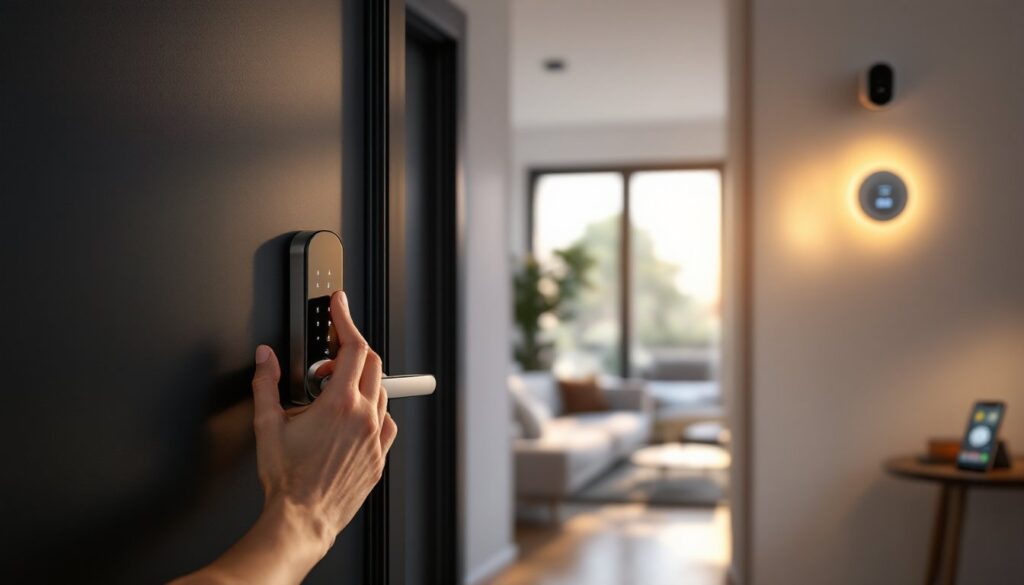
Smart locks top every tenant wish list. A keyless entry system means no lost keys, no lockout calls at 2 a.m., and no re-keying costs between tenants. Modern smart locks integrate with door frames without requiring permanent modifications, they replace the interior deadbolt assembly only. Renters can unlock via PIN code, smartphone app, or physical key as backup. Landlords can audit entry logs, grant temporary access codes for cleaners or maintenance, and revoke them instantly.
For security, IP cameras with cloud storage and night vision are non-negotiable. Position one at the main entry point (not bedroom windows, respect privacy). Tenants feel safer, property damage liability drops, and insurance companies sometimes offer discounts. How to Set Up Smart Home Devices: A Beginner’s Guide covers installation basics so you know what’s DIY-friendly versus contractor work.
Smoke and CO detectors that send alerts to your phone are practical for landlords managing multi-unit properties. Hard-wired traditional detectors still matter for code compliance, but connected versions give you peace of mind and faster emergency response capability.
Climate and Energy Management Systems
Smart thermostats (like Ecobee or Nest-compatible models) appeal to cost-conscious renters and eco-minded landlords alike. A programmable system that learns occupancy patterns can cut heating and cooling costs 10-15% without sacrificing comfort. Tenants control temperature from their phones, and you set system limits so they can’t blast the AC while windows are open.
Smarter yet: smart power strips and occupancy sensors in common areas (hallways, garages) kill phantom loads automatically. These devices cost $20-40 each and pay for themselves in 18-24 months on a multi-unit building.
According to recent smart home technology guides, energy management is the second-highest factor tenants consider after security. Climate control directly impacts lease renewal rates because renters remember comfort more than almost anything else.
How Smart Homes Increase Rental Income and Tenant Retention
Numbers matter. Properties with smart features command $50-150 more per month depending on local market, property type, and which features are installed. In a 12-unit building, that’s an extra $600-1,800 annually per unit, enough to justify a modest smart home setup in year one.
Tenant turnover costs landlords 5-10% of annual rent per vacancy (advertising, cleaning, repairs, lost rent days). Smart homes address this directly: renters who feel a property is well-maintained, secure, and convenient renew leases at higher rates. A tenant who’s lived somewhere 2+ years instead of 1 year pays back smart home investment entirely.
Insurance is another angle. Some carriers reduce premiums 2-5% if a property has monitored security and connected smoke/CO detection. That’s automatic savings with every renewal.
Implementation matters. Don’t install gimmicks, no smart mirrors or WiFi-connected refrigerators. Smart Home Devices for Beginners explains the difference between useful automation and tech overload. Renters want features that solve real problems: getting in without a key, adjusting temperature remotely, and knowing the apartment is secure.
For renters in shared buildings, smart home setups must respect boundaries. Here’s how I made it smart without drilling holes is a helpful reference showing renters what’s possible within lease terms. This matters for landlords too, equipment that doesn’t require permanent installation protects your deposit situation and simplifies turnover.
One critical point: smart home doesn’t mean surveillance overreach. Recording bedrooms or bathrooms, monitoring when tenants come and go excessively, or collecting data beyond security and utility purposes invites legal risk and creates hostile rental relationships. Transparency about what’s monitored and why builds trust and improves retention organically.
Conclusion
Smart home rentals are reshaping how properties compete in 2026. Owners who thoughtfully carry out security, access, and energy features attract better tenants, justify higher rents, and reduce costly turnover. Renters benefit from convenience, security, and lower utility bills. The key is staying practical: invest in features that genuinely solve problems, avoid surveillance that breaches trust, and ensure setup methods respect lease terms. Start with a smart lock and thermostat, measure results, then expand from there.