Table of Contents
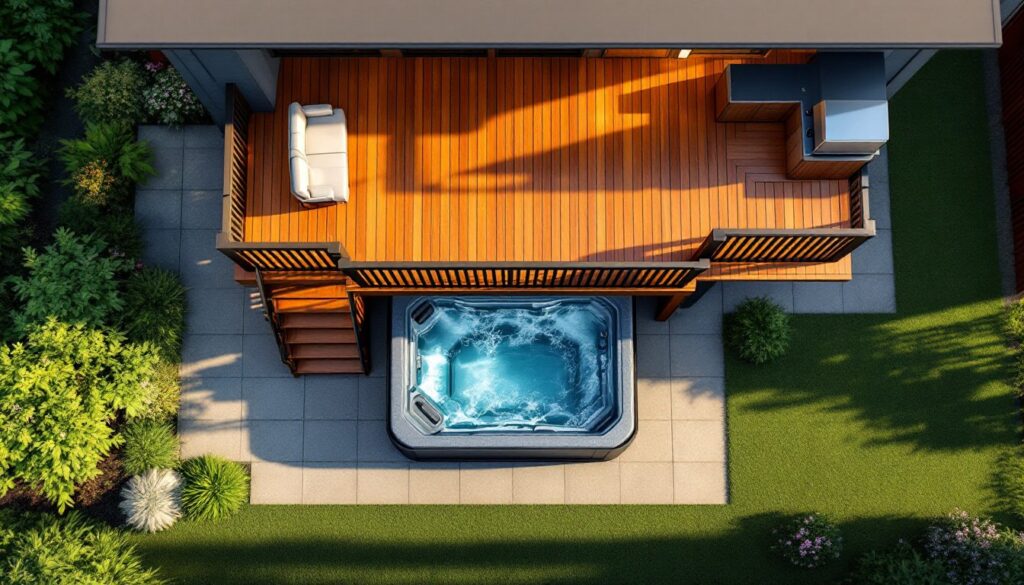
ToggleA hot tub tucked beneath a deck isn’t just a novel idea, it’s practical outdoor living that solves a real problem: limited yard space and year-round weather exposure. Instead of eating up square footage with a standalone spa or sacrificing your deck’s usability, placing a hot tub under a deck gives you the best of both worlds: a protected soaking spot and an upper level for entertaining, lounging, or grilling. Homeowners are increasingly choosing this setup because it maximizes their outdoor real estate while creating an integrated design that feels intentional, not cramped. Whether you’re working with a small urban lot or an sprawling backyard, exploring under-deck hot tub ideas can unlock a whole new living zone you didn’t know you had.
Key Takeaways
- A hot tub under a deck maximizes outdoor space while providing weather protection and a dual-purpose area for soaking and entertaining.
- Proper structural support is essential—filled hot tubs weigh 3,000–8,000 pounds and require reinforced joists, concrete pads, or additional foundation work verified by a structural engineer.
- Ventilation and moisture control prevent mold and wood rot; use vapor barriers on the deck surface above the tub combined with screened vents or perimeter drainage systems.
- Popular under-deck hot tub designs range from simple open-sided shelters (best for dry climates) to partially or fully enclosed structures that trade ventilation for maximum weather protection.
- Budget projects cost $8,000–$15,000 for smaller setups with minimal structural work, while premium installations with full enclosures and integrated amenities reach $25,000–$50,000+.
- Year-round maintenance requires more frequent water testing (2–3 times weekly), filter cleaning every 2–4 weeks, and monthly humidity monitoring to prevent structural damage in sheltered environments.
Why a Hot Tub Under a Deck Makes Sense
An under-deck hot tub solves three major frustrations for homeowners. First, it reclaims unused vertical space, that shadowy area under most decks sits idle while you’re stuck choosing between a tub in the sun or a tub taking up prime real estate. Second, it shields you from weather while you soak. Rain, snow, and intense UV exposure are manageable when there’s a roof overhead, and you’ll use the tub more often in shoulder seasons and winter. Third, it creates visual balance and feels less cluttered than a standalone installation in an already compact yard.
Other benefits include easier equipment access (filters, pumps, and heaters often live under the deck), natural screening from neighbors, and a cozy ambiance that open-yard setups struggle to match. The space also becomes versatile: you can add a small bar, storage benches, or even a compact seating nook in the remaining under-deck real estate. Water features like this tend to increase perceived property value because they’re seen as thoughtful upgrades rather than afterthought add-ons.
Structural Considerations and Safety Requirements
Before you get excited about tiles and ambiance, talk to a structural engineer or experienced deck contractor, seriously. An under-deck hot tub isn’t a weekend DIY wiring job: it’s structural work that affects your foundation, framing, and safety. Most jurisdictions require permits for deck modifications of this scale, especially when adding weight and water lines. Expect to pull permits, have inspections, and potentially hire a professional contractor for at least the structural modifications.
Weight Distribution and Foundation Support
A filled hot tub weighs 3,000 to 8,000 pounds depending on size and water volume. That’s not spread evenly across one pallet, it concentrates in one spot, which means your existing deck joists and posts might not handle it without reinforcement. You’ll need to either beef up the existing joists (deeper lumber, closer spacing, or additional posts underneath), pour a dedicated concrete pad or reinforced foundation to support the tub directly, or both.
Actual lumber dimensions matter here. A “2×8” joist is actually 1.5 × 7.25 inches (nominal vs. actual), and that affects load capacity. Joist spacing, wood species, and span all play into how much weight each joist can safely carry. A structural engineer calculates this based on local building codes, don’t guess. In wet climates especially, you’ll also want pressure-treated lumber for any new posts or footers. Typical under-deck installations use a reinforced concrete pad (4–6 inches deep, properly graded for drainage) to spread the weight and keep the tub level.
Ventilation and Moisture Control
Water evaporates constantly from a hot tub. Put that tub directly under a deck structure, and moisture gets trapped. You’re looking at mold, rot, structural decay, and an unpleasant soggy smell within months. The fix: you must ventilate.
Whitespace under the deck (air gaps between joists, open sides, or slatted panels) helps, but not always enough. Install a vapor barrier (plastic sheeting or commercial under-deck systems) on the deck surface above the tub to divert water away from the structure, then add perimeter ventilation, screened vents or gaps in the under-deck walls or soffit. Some builders slope the under-deck floor slightly toward drainage or install a perimeter drain system that channels water away from the foundation.
Humidity sensors and a small dehumidifier or exhaust fan (vented to the outside, not recirculated) are inexpensive insurance. If you’re thinking “I’ll just leave the sides open,” you’re partially right, open-air designs breathe better, but you’ll sacrifice privacy and weather protection. The sweet spot is controlled ventilation with a vapor barrier on top, creating a dry zone while keeping the tub sheltered.
Popular Under-Deck Hot Tub Designs and Layouts
Real-world under-deck hot tub setups fall into a few distinct styles, each with pros and cons.
Open-sided shelters are the simplest: the tub sits under the deck with no walls, just roof cover and posts. You get full ventilation, easy access, and minimal visual clutter, but you’re exposed to wind and side rain. This works well in mild or dry climates.
Partially enclosed designs add screens, removable panels, or slatted walls on one or two sides. This blocks wind and prying eyes while maintaining some airflow. It’s the middle ground most DIYers choose because it’s protective without feeling like you’re soaking in a sauna closet. Materials range from simple lattice to composite panels or even polycarbonate screens.
Fully enclosed under-deck structures (sometimes called sunrooms or saunas) give you the most weather protection but demand the most ventilation work. You’re essentially building an indoor room, insulation, climate control, windows, and proper egress (exit routes) all become requirements. This is where a general contractor or architect earns their fee.
Infinity-edge or platform designs use the under-deck space as a foundation for a raised or partially submerged tub, blending it visually with a raised walkway or planter bed. This is higher-end and requires careful plumbing and electrical work, but it looks intentional and refined.
Houzz forums and design discussions on residential under-deck hot tub layouts showcase real homeowner projects, worth browsing to see what’s working in your region and climate. What you see in California looks different from New England, and photos help you gauge what’s practical for your situation.
Budget-Friendly vs. Premium Installation Options
Under-deck hot tub projects run a massive cost range depending on what you’re starting with and what you want.
Budget approach: If your deck already exists and has decent bones, and you’re installing a smaller acrylic tub (36–60 inches, 2–4 person capacity) with minimal structural work, you’re looking at $8,000–$15,000 total (tub ~$3,000–$5,000, structural reinforcement ~$2,000–$4,000, plumbing/electrical ~$2,000–$4,000, finishing ~$1,000–$2,000). Stick with simple wood lattice screens or no walls at all. Skip fancy lighting and built-in seating.
Premium setups: A larger jet tub (75+ inches, 6+ person), full enclosure, heated floors, integrated lighting, a built-in bar or lounge area, and upgraded finishes (tile, stone, composite decking, smart controls) easily hit $25,000–$50,000+. If your deck doesn’t exist yet and you’re building both simultaneously, costs creep higher because everything is tied to the same project timeline and contractor.
Variable costs depend on your region, labor rates, and material availability. A professional installation includes permit fees, inspections, and licensed plumber/electrician work, don’t try to save money by skipping this. Improper electrical connections or gas line work can create serious safety hazards. That said, you can DIY some finishing work (painting, minor carpentry, landscaping) after the structural and mechanical work is done by professionals.
Maintenance and Seasonal Tips for Under-Deck Setups
An under-deck hot tub demands more maintenance than an open-yard one, mostly because of moisture and limited airflow.
Year-round:
Keep the water chemistry balanced, chlorine or bromine levels, pH, alkalinity, and calcium hardness all need regular testing. Under-deck environments can trap algae spores and bacteria more easily, so test water 2–3 times weekly instead of once weekly. Clean the filter more frequently (every 2–4 weeks instead of monthly) and check the vapor barrier above the tub monthly for debris or gaps that let moisture in.
Monitor humidity under the deck. If you spot condensation on joists or framing, boost ventilation immediately (open side panels, run a fan, or add vents). A humidity reading above 60% is a red flag.
Winter (cold climates):
If you’re not draining the tub, winterize the plumbing carefully, use antifreeze rated for hot tubs, not car antifreeze. Consider adding a hot tub cover rated for wet snow loads (typical covers sag under inches of snow, which risks water pooling). Many builders recommend draining the tub in freezing climates and storing it, or investing in insulation and a heated shelter.
Spring and fall:
Check seals around plumbing penetrations and between the tub and any enclosure walls. Spring rain can expose flaws in drainage. In fall, trim back tree growth above and around the structure to prevent leaf drop into the tub.
Inspect the deck structure itself annually, rot spreads fast in damp, sheltered spots. Poke suspect wood with a screwdriver: if it sinks in easily, it’s compromised. Replace boards promptly. The best maintenance schedule replaces or refreshes finishes and inspects framing every 3–5 years, especially in humid regions.
Get Started with a Clear Plan
An under-deck hot tub can be an elegant, practical addition to your home, but only if you start with a solid structural and moisture-control plan. Hire a structural engineer or experienced contractor to assess your deck and calculate loads. Pull permits, use quality materials, and invest in proper ventilation. The upfront expense and paperwork feel tedious, but they’re what separate a setup that lasts decades from one that rots in five years. Once the bones are solid, you can finish it to match your style, whether that’s rustic, modern, or somewhere in between.