Table of Contents
ToggleHome renovation ideas and techniques can turn an outdated property into a space that feels brand new. Whether someone wants to boost property value or simply create a more comfortable living environment, the right approach makes all the difference. From budget-friendly updates to full-scale remodels, homeowners have more options than ever before.
This guide covers practical strategies for planning renovations, saving money, and executing upgrades that deliver real results. Readers will find actionable tips for kitchens, bathrooms, living areas, and bedrooms, plus guidance on when to DIY and when to call in the pros.
Key Takeaways
- Start every home renovation project with clear goals, a realistic timeline, and a budget that includes 10-20% for unexpected expenses.
- Budget-friendly home renovation ideas like fresh paint, updated hardware, and refinishing existing materials deliver high impact at low cost.
- Kitchen and bathroom renovation techniques should prioritize efficient layouts and functional upgrades that boost both daily comfort and resale value.
- DIY works well for cosmetic updates like painting and flooring, but always hire licensed professionals for electrical, plumbing, and structural work.
- Strategic lighting, quality flooring, and built-in storage are versatile home renovation techniques that improve any living space.
- Get at least three contractor quotes, verify licensing and insurance, and ensure clear contracts before starting major projects.
Planning Your Home Renovation Project
Every successful home renovation starts with a solid plan. Rushing into demolition without a clear vision leads to wasted money, time, and frustration. Here’s how to set up any project for success.
Define Your Goals
Homeowners should ask themselves what they want to achieve. Are they renovating to sell? To accommodate a growing family? To fix structural issues? The answer shapes every decision that follows.
A family planning to stay long-term might prioritize comfort and personal style. Someone preparing to list their home should focus on updates that appeal to buyers and maximize ROI.
Create a Realistic Timeline
Renovation projects almost always take longer than expected. A kitchen remodel that contractors estimate at six weeks often stretches to eight or ten. Build buffer time into the schedule, especially for projects that affect daily routines like cooking or bathing.
Seasonal factors matter too. Exterior work is best done in warmer months. Interior projects can happen year-round, but holiday seasons often slow down contractor availability.
Set Your Budget Early
Determine the total budget before selecting materials or hiring anyone. A good rule: set aside 10-20% of the budget for unexpected expenses. Old homes especially tend to reveal surprises once walls come down, outdated wiring, water damage, or code violations.
Home renovation ideas and techniques should always align with financial reality. The most beautiful design means nothing if it bankrupts the homeowner halfway through.
Budget-Friendly Renovation Ideas
Major renovations aren’t always necessary. Some of the most effective home renovation ideas and techniques cost surprisingly little.
Paint Changes Everything
A fresh coat of paint delivers one of the highest returns for the lowest investment. Neutral colors appeal to most people and make spaces feel larger. Accent walls add personality without overwhelming a room.
Don’t forget ceilings and trim. Crisp white trim against colored walls creates a polished, finished look.
Update Hardware and Fixtures
Swapping out dated cabinet pulls, door handles, and light fixtures takes hours, not days. These small changes modernize a space instantly. Brushed nickel, matte black, and brass finishes are popular choices in 2025.
This technique works especially well in kitchens and bathrooms where hardware is highly visible.
Refinish Instead of Replace
Wood floors can be sanded and restained for a fraction of replacement cost. Cabinets can be painted or refaced. Bathtubs can be reglazed. These home renovation techniques preserve existing materials while giving them new life.
Add Strategic Lighting
Layered lighting, combining ambient, task, and accent sources, transforms how a room feels. Under-cabinet lights in kitchens, dimmer switches in living areas, and pendant lights over islands are affordable upgrades with big impact.
Kitchen and Bathroom Upgrade Techniques
Kitchens and bathrooms sell homes. They also see the most daily use. Smart home renovation ideas for these spaces balance aesthetics with function.
Kitchen Renovation Techniques
The kitchen triangle, the relationship between sink, stove, and refrigerator, should guide layout decisions. An efficient triangle reduces steps and makes cooking easier.
Countertop upgrades offer dramatic visual improvement. Quartz remains a top choice for durability and low maintenance. Butcher block adds warmth at a lower price point.
Open shelving creates an airy feel but requires organized homeowners. Those who prefer hidden storage should invest in quality cabinetry with soft-close hinges.
Bathroom Renovation Techniques
Bathroom renovations often involve plumbing, which adds complexity. Moving fixtures significantly increases costs, so keeping the existing layout saves money.
Walk-in showers continue to dominate bathroom trends. They’re accessible, easy to clean, and visually expand small spaces. Frameless glass enclosures enhance this effect.
Flooring matters more in bathrooms than almost anywhere else. Tile remains king for water resistance. Heated floor systems, once a luxury, have become more affordable and add genuine comfort.
Ventilation is often overlooked. Proper exhaust fans prevent mold and protect finishes. This technical detail is as important as any design choice.
Living Space and Bedroom Improvements
Living rooms and bedrooms are where families spend most of their time. Home renovation ideas for these spaces should prioritize comfort and flexibility.
Living Room Updates
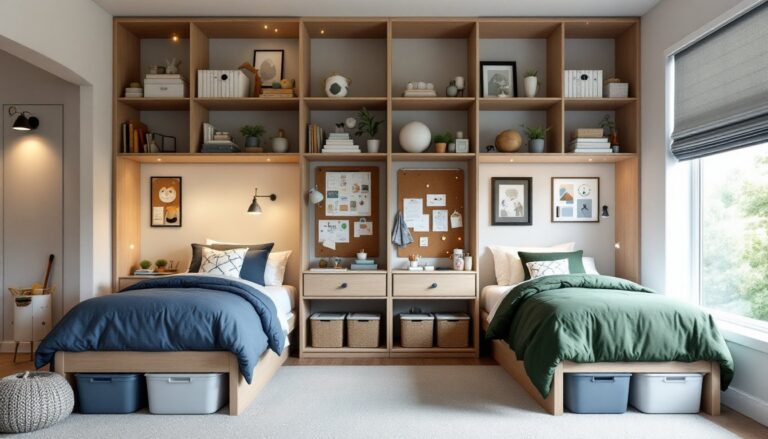
Built-in shelving adds storage and architectural interest. It can frame a fireplace, flank a television, or line an entire wall.
Flooring upgrades unify open floor plans. Luxury vinyl plank (LVP) has improved dramatically and now mimics hardwood convincingly at half the cost. It’s also waterproof and scratch-resistant, ideal for homes with pets or children.
Large windows or sliding glass doors connect indoor and outdoor spaces. Natural light reduces energy costs and improves mood.
Bedroom Renovation Techniques
Closet systems maximize storage in bedrooms. Custom solutions fit specific needs, but modular systems from home improvement stores work well for most situations.
Soundproofing techniques improve sleep quality. Adding insulation to interior walls, using solid-core doors, and installing quality windows all reduce noise transfer.
Accent walls behind headboards create focal points without overwhelming the room. Wallpaper, wood paneling, or textured paint are all effective home renovation techniques for this purpose.
DIY vs. Hiring Professional Contractors
Deciding between DIY and professional help is one of the most important choices in any home renovation project.
When DIY Makes Sense
Painting, simple flooring installation, landscaping, and cosmetic updates are reasonable DIY projects for capable homeowners. These tasks require time and effort but not specialized licenses or training.
DIY home renovation techniques save labor costs, often 40-50% of a project budget. YouTube tutorials and home improvement forums provide guidance for most common tasks.
When to Hire Professionals
Electrical work, plumbing, structural changes, and gas line modifications require licensed professionals. Period. These systems can cause fires, flooding, or worse if handled incorrectly.
Permitting adds another layer. Many jurisdictions require permits for significant renovations. Licensed contractors understand local codes and handle this paperwork.
Even for cosmetic work, professionals deliver faster, cleaner results. A painter with 20 years of experience will finish a room in a day that might take a homeowner a weekend.
Finding the Right Contractor
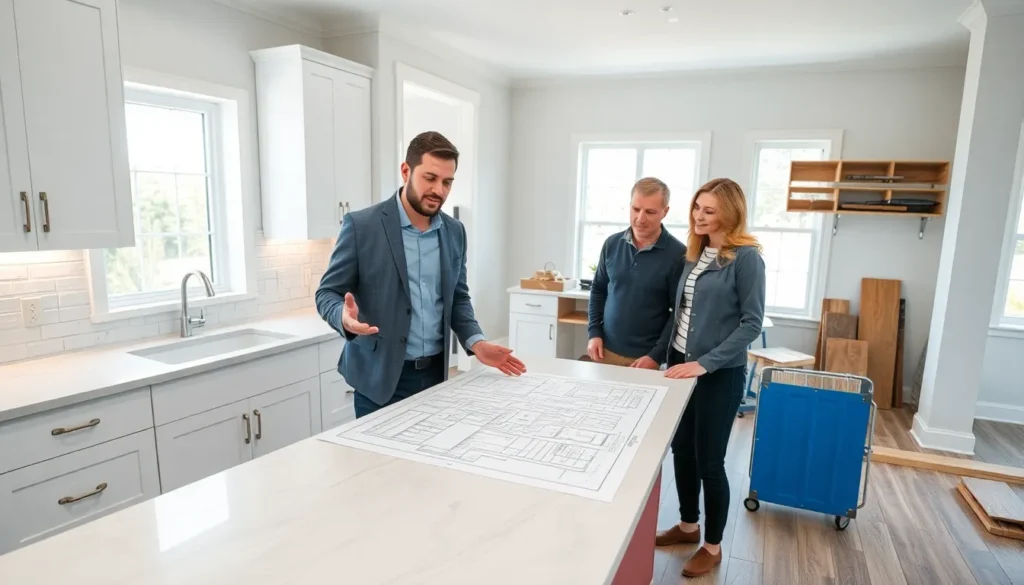
Get at least three quotes for any major project. Check references. Verify insurance and licensing. Read online reviews but don’t rely on them exclusively, ask neighbors and friends for recommendations.
Clear contracts protect everyone. They should specify materials, timelines, payment schedules, and processes for handling changes or disputes.